World Biomes:
A Complete Guide to Earth’s Major Ecosystems
Discover how life organizes itself across the planet
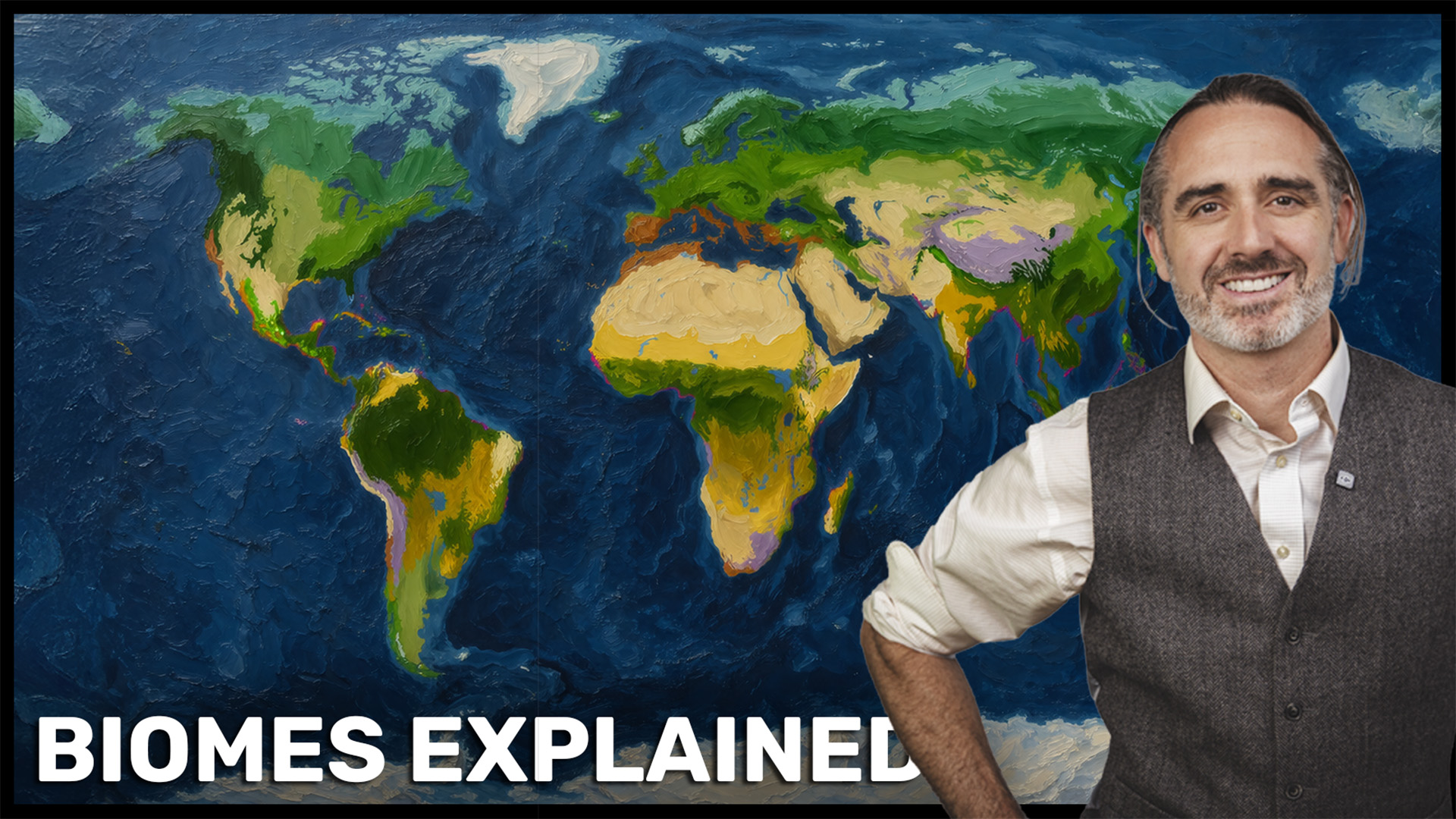
Biomes are the large ecological systems that shape life on Earth. From dense tropical rainforests to frozen tundra, each biome represents a distinct combination of climate, geography, plants, and animals.
If you understand biomes, you begin to see patterns everywhere. Forests follow rules. Deserts follow rules. Even the ocean has structure.
This page is your starting point for learning how the natural world is organized.
What Is a Biome?
A biome is a large region defined by its climate and the living communities adapted to it.
Climate drives everything. Temperature and rainfall determine what plants can grow. Those plants then shape the animals, fungi, and microorganisms that can survive there.
Over time, this creates recognizable ecosystems across the planet.
In simple terms:
A biome is a pattern of life shaped by climate.
Why Biomes Matter
Understanding biomes allows you to:
- Recognize ecosystems anywhere in the world
- Predict what plants and animals you might find
- Understand how climate change impacts ecosystems
- Develop real ecological awareness instead of memorizing facts
This is the foundation of ecological literacy.
The 4 Things That Define Every Biome
To understand any biome, focus on these:
1. Climate
Temperature, rainfall, and seasonality
2. Location
Latitude, elevation, and proximity to oceans
3. Vegetation
The dominant plant life that defines the system
4. Animal Adaptations
How organisms survive physically and behaviorally
Terrestrial Biomes (Land-Based Ecosystems)
Most biome classifications focus on land ecosystems, defined by dominant vegetation.
Each one represents a different strategy for surviving in a specific climate.
Major Terrestrial Biomes
- Tropical Rainforest – Warm, wet, and highly biodiverse
- Tropical Savanna – Grasslands with scattered trees and seasonal rainfall
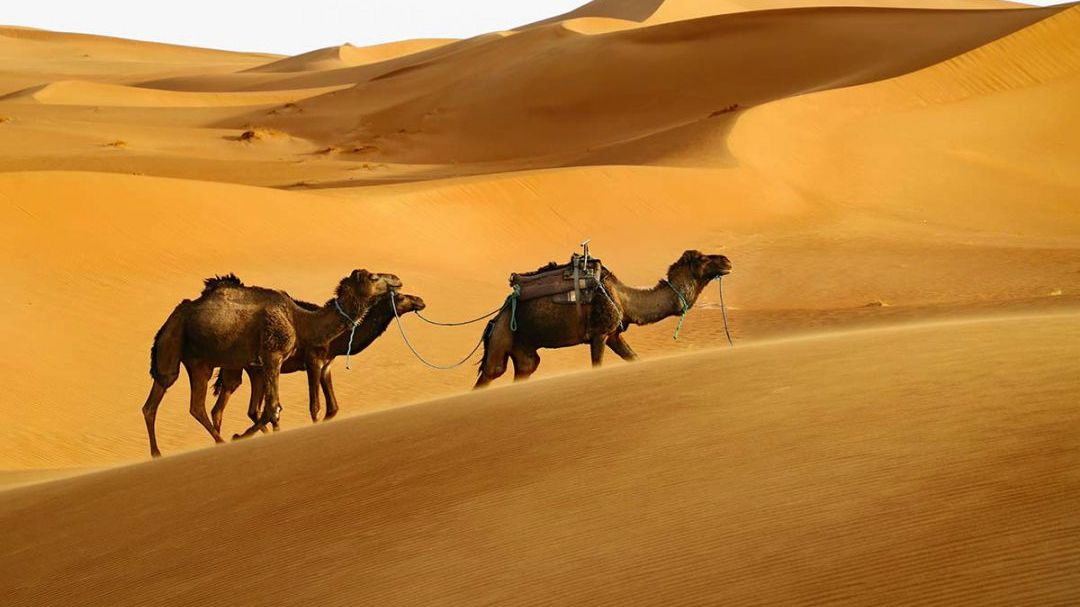
- Desert – Extremely low rainfall and specialized life
- Temperate Grassland – Open landscapes dominated by grasses
- Temperate Deciduous Forest – Seasonal forests with broadleaf trees
- Boreal Forest (Taiga) – Cold forests dominated by conifers
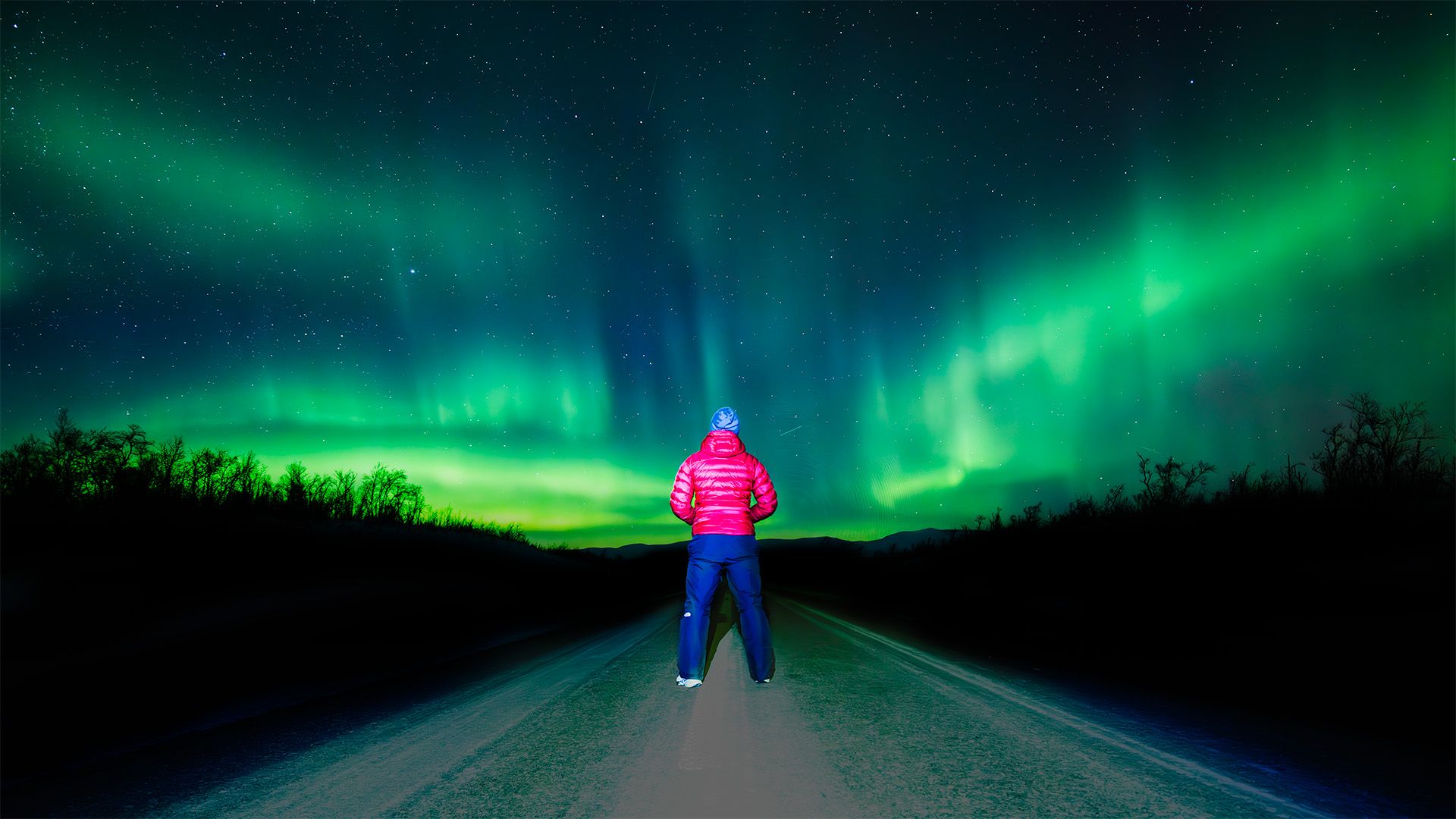
- Tundra (Arctic Tundra & Alpine Tundra) – Cold, treeless regions with short growing seasons
- Chaparral (Mediterranean) – Dry summers and fire-adapted vegetation
- Coniferous Forest – Evergreen forests in cooler climates
- Polar Ice Caps – Extreme cold with minimal vegetation
Aquatic Biomes (Water-Based Systems)
Although often excluded from strict definitions, aquatic systems are essential for understanding global ecology.
They are structured by depth, light, salinity, and water movement.
Ocean Biomes
- Coastal Oceans
- Coral Reefs
- Open Ocean (Pelagic Zone)
- Deep Sea
- Intertidal Zones
- Estuaries
Freshwater Biomes
How to Start Recognizing Biomes in the Real World
Instead of memorizing definitions, train yourself to observe:
- What plants dominate the landscape
- How water moves through the system
- What adaptations animals show
- How the climate feels over time
This is how naturalists think.
Learn Biomes Through Real-World Exploration
At The Wild Classroom, we also add a different approach.
We also have:
- Field-based trips
- We teach you how to make these films
- Scientific explanations
- Real-world guided application
So you don’t just learn what a biome is, we teach you to experience it.
Explore the Biomes of the World
Start with the most popular
Want to Go Deeper?
If you want to move beyond basic knowledge and actually understand how ecosystems work in real life, join the newsletter and come with us on a trip. Then learn directly from biologists, filmmakers, and field experts through immersive courses designed to build true ecological fluency.